What happens after Sustainalink?
A first step
Doing a project through Sustainalink is not only a good way to gain insight into a business or to sharpen your skills - it is also a step on the way. Here, you can read more about how our projects have worked as an initial step in the career for earlier students.
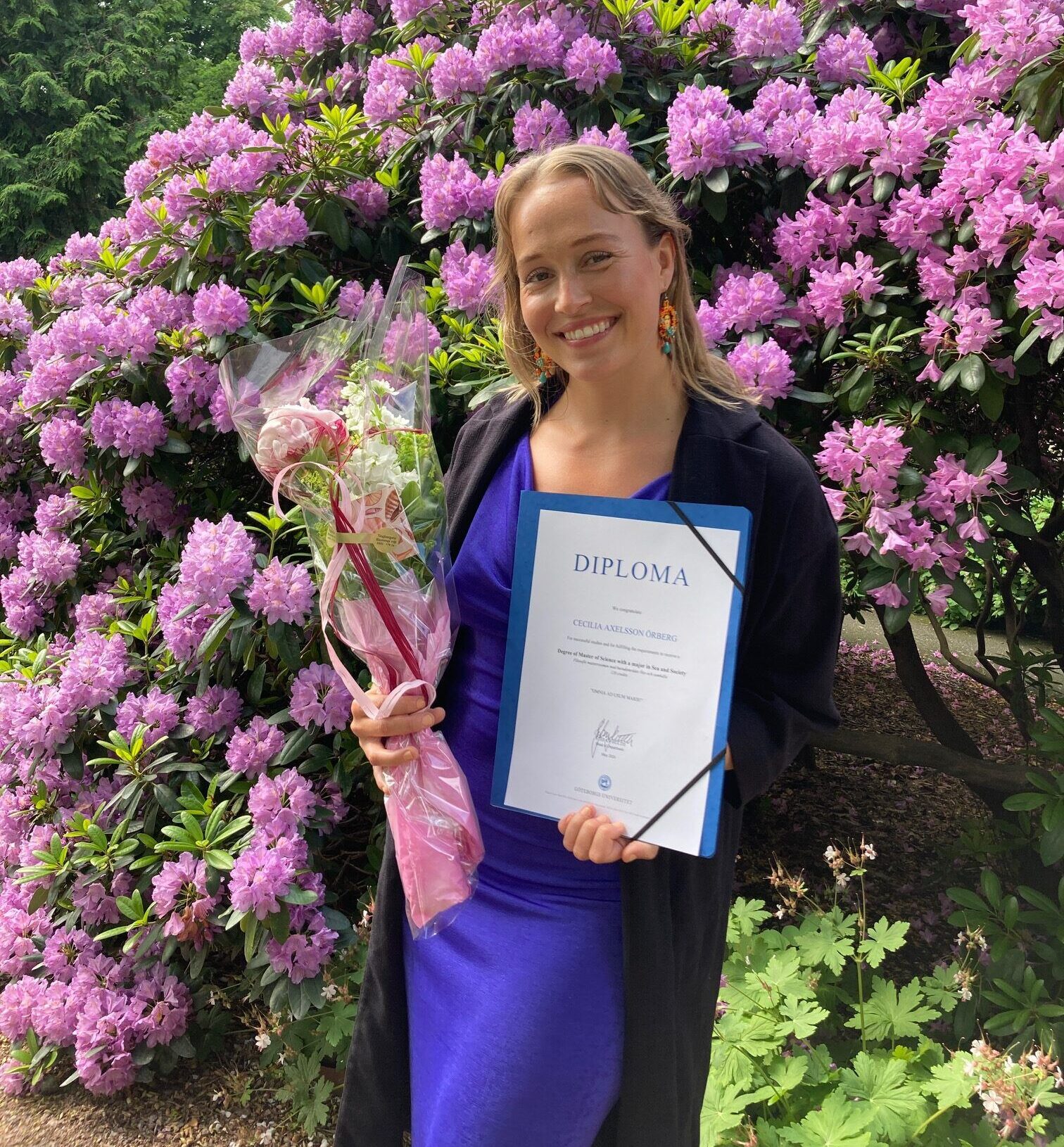
How Cecilia went from student to GIS consultant
Cecilia wrote her thesis project in natural geography in collaboration with Lund municipality. The project focused on examining how the municipality’s green areas have changed over time and are planned to change according to the comprehensive plan. Cecilia particularly focused on a district in southern Lund and analysed how the changes could affect the risk of flooding during torrential rains.
Below, she tells about her experiences – from the Sustainalink project, the transition to working life and the following steps in her career.
What insights or experiences did you gain from the project?
That city planning is complex, and that climate risks is not always a priority in the planning phase. I also gained a clear picture of what a GIS engineer at the municipality actually works with.
In what way has the project been valuable to your transition to working life?
It was very valuable to have experience of collaboration and insight into municipal work. My supervisor also acted as a reference and sounding board, both when I applied for internships and jobs, and she has become a bit of a mentor at the beginning of my career.
How has you career developed since graduating, and what do you work with today?
After getting a bachelor’s degree I started a masters programme, but paused after a year when I got a job as GIS specialist at the County Administrative Board. I worked there for 3,5 years while finishing my masters at the same time. A year ago I got into the private sector and now work as a GIS consultant at AFRY, where I really enjoy having a varying and meaningful job.
Do you work with sustainability in your current position?
Indirectly, yes. I primarily work with projects developing new train mainlines – without stable and strong power lines we have no sustainable development. I also work with solar parks.
How do you view the sustainability challenges within your sector?
It is challenging to build fast enough for the green transition, while permit processes and similar are slow.
What do you wish you had known when you started working?
That you learn a lot at the job and that you do not have to worry about knowing enough when you graduate. You will learn. As long as you are curious, take initiative and are willing to learn you can accomplish most things. All workplaces differ and oftentimes you know more than you think. It is a comforting thought when you change jobs or take on new tasks.
Published 2026-04-28
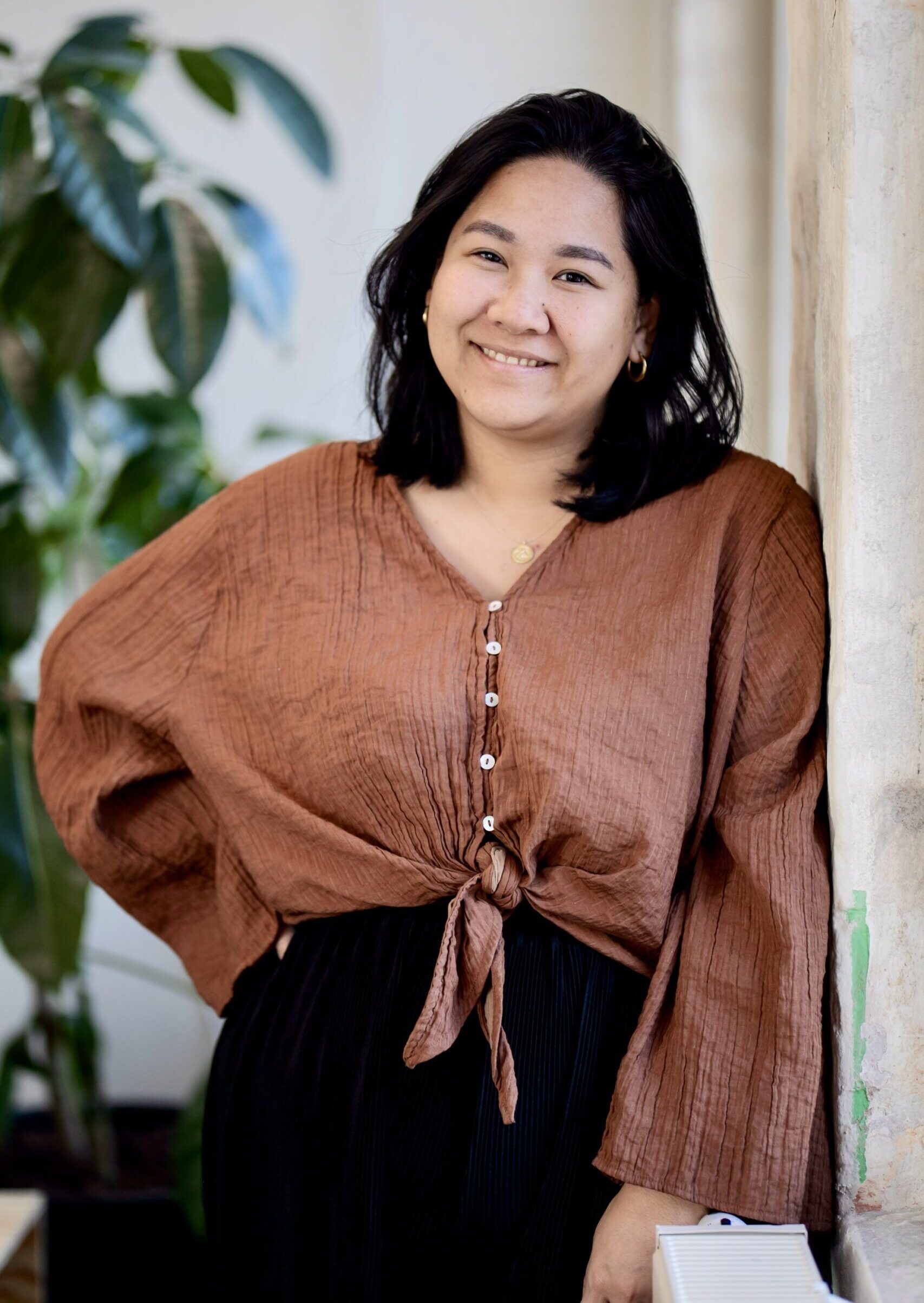
From engineering physics to a sustainability career
Anita wrote her thesis project in collaboration with DIAB, examining how a lighter material in for example wind turbine blades could affect environmental impact throughout the value chain. The project became an important part of Anita’s path towards a career in sustainability –which she realised she wanted to pursue only at the end of her education.
Here, you can read about Anita’s experiences and how the Sustainalink project helped her change tracks to a career in sustainability.
What insights or experiences did you gain from the project?
I studied engineering physics but realised only at the end of the programme that I wanted to work with sustainability. Thanks to the project, I gained experience in the field that allowed me to get involved in environmental and sustainability work.
In what way has the project been valuable to your transition to working life?
The project gave me a concrete connection to sustainability issues, which became crucial when I first applied for jobs within the field.
How has you career developed since graduating, and what do you work with today?
Today, I work as Team Lead within Technical Advisory at Position Green, where we offer sustainability consultation and software to help companies track their sustainability data.
Do you work with sustainability in your current position?
Yes, absolutely. Our whole business revolves around supporting companies in their sustainability work and reporting.
How do you view the sustainability challenges within your sector?
The regulations concerning sustainability reporting have changed a lot recently, especially regarding who must report according to CSRD. Our challenge is to get companies to understand that even if Omnibus postpones formal requirements, issues regarding market expectations, customer demands and risk management still make sustainability efforts critical for business – regardless of legal requirements.
If you could give yourself one piece of advice during your studies – what would it be?
That it is not too late to change directions, even if it is during the end of the education. The most important thing is to find something you enjoy.
Published 2026-04-28
Have you done a project through Sustainalink and would like to share your story? Please reach out to us at info@sustainalink.se